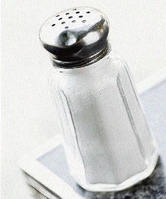
It is a true saying that a man must eat a peck of salt with his friend before he knows him."- Miguel de Cervantes, 'Don Quixote'
There is an old saying that 'out of evil comes forth good'. Even though the Government has rolled back the general consumption tax on table salt, Jamaicans have an opportunity to hold back on its use in the preparation of meals.
Salt is an age-old commodity that has been used as a condiment to enhance food flavours and balancing the bitterness and acidity in foods.
According to Cook's Thesaurus, a recipe may call for table salt or a specific grind of salt, so for best results it is advisable to follow that recommendation.
Table salt has additives like iodine to prevent thyroid disease and an anti-caking agent to prevent the salt from getting lumpy in humid weather.
Kosher salt
Kosher salt is preferred by salt connoisseurs for cooking and table use. Kosher salt has a softer flavour than table salt and was developed for the preparation of kosher meats. The Hebrew word kosher means fit, or proper, as it relates to Jewish dietary law.
Kosher foods are permitted to be eaten and can be used as ingredients in the production of additional food items. Kosher salt can also be used for canning and pickling, although the coarser, flakier grains will not pack as tightly into a measuring cup as pickling salt. Some brands of kosher salt contain yellow prussiate of soda, an anti-caking additive, which does not cloud pickling liquids compared with that in table salt. Kosher salt is not a good choice for baking.
exotic salts
The expensive French and Hawaiian sea salts and the smoky sulphuric Indian black salt are exotic salts. Sea salts come from seawater that is pooled into basins and then evaporated. Trendy gourmets are willing to pay high prices for a small packet of sea salt because it has a much softer texture and fresher flavour than ordinary table salt.
Specialised salts include pickling salt, which is free of additives that turn pickles dark. Salt is a natural preservative which inhibits the growth of moulds and bacteria by pulling out the life-sustaining moisture, through osmosis, from those harmful bodies, so they cannot grow or reproduce. Curing salt has been used as preservative for meat, fish, cheese and other foods, and is usually dyed pink so it is not be mistaken for ordinary salt. Curing salt consists of 93.75 per cent table salt and 6.25 per cent sodium nitrate.
Rock salt is used primarily to de-ice driveways and to make ice cream. It is a cheap, non-food salt used on walkways and placed in the wooden tub that surrounds the bucket of ice cream. The salt lowers the freezing point of the ice, which causes it to melt. As it melts, it absorbs heat from the ice cream, helping it to freeze more quickly.
Other varieties of salt include black salt, commonly found in Indian markets in either ground or in lumps with a strong sulphuric flavour. Coarse salt is used to make beds for oysters and salt crusts on meat or fish, lining baking dishes or the rims of margarita glasses.
coarse salt
To apply, fill a saucer with salt, and then moisten the rim of an empty glass with lime juice. Chefs like to use coarse salt because they can measure it more easily with their fingers. Fine salt, like table salt, has been ground into small grains and is better for certain dishes. Coarse salt can be ground by using a salt mill, mortar and pestle or a rolling pin. Popcorn salt has very fine grains which will stick to popcorn, potato chips and French fries. Pretzel has opaque crystals which are used to coat pretzels.
Your health
Salt contains sodium, a mineral that the body needs to function properly. However, eating too much sodium may, over time, raise your blood pressure. High blood pressure increases your risk of stroke, heart disease, heart failure and kidney disease.
Salt is essential not only to life, but to good health, maintaining the electrolyte balance inside and outside of cells. Most salt you consume comes from foods, some from water. Persons should aim to eat less than one teaspoon of table salt per day for good health. Yet most people get more sodium than they need each day with excess sodium coming from eating processed foods such as pizza and potato chips. This excess consumption of sodium places extra burden on the kidneys.
It is well established that excessive salt intakes can elevate blood pressure leading to hypertension, a risk factor for cardiovascular disease. Reducing blood pressure can reduce the risk of a heart attack or stroke - depending on how it is done.
Fat-free cooking
As strange as it may sound, salt is effectively used for fat-free cooking. The process entails encasing meat in a crust of salt which draws out and absorbs the fat while sealing in moisture and flavour, a process similar to the old classic dishes using clay. (homecooking.about.com)
Shaking the salt habit
There are several food items that can be used as substitutes for salt.
For seasoning, use citrus zest, pepper, herbs or soy sauce, hatcho miso, salt substitute or kelp powder.
Herbal blends which enhance the flavour of food without salt.
Cider vinegar or infused herbed vinegars.
Red pepper flakes or powders like cayenne, chilli and paprika.
Horseradish
Garlic
Fresh lemon, lime, orange juice
Fresh or dried dill
Limiting sodium intake
Choosing brands with lower sodium content can lower the amount of sodium you eat. Also, keep in mind that not all sodium in food is in the form of salt. Other food ingredients also contain sodium, such as:
Monosodium glutamate (MSG)
Baking soda
Baking powder
Sodium nitrate and sodium nitrite (used as preservatives in foods such as luncheon meats)
Salt-free Seasoning Shake
2 tsps garlic powder
1 tsp basil
1 tsp oregano
1 tsp lemon peel powder
Simply shake together all ingredients in a container like a glass bottle and store. The idea is to make up large batches filled with favourites like garlic, onions and fresh herbs.
Heather Little-White, PhD, is a nutrition and lifestyle consultant in the Corporate Area. Send comments to editor@gleanerjm.com or fax 922-6223.
When salt is added to water, it raises the temperature at which water boils and lowers the temperature at which it freezes.
Adding salt to bread dough controls the action of the yeast and improves flavour. If bread is made without salt, it will have a coarser texture and blander flavour than bread made with salt.
Sprinkle salt on citrus fruit, melons, tomatoes, and wine to enhance flavour.
Balance the flavour of cakes, cookies and candies by adding a little salt.
Boiled eggs are easier to peel if they are boiled in salted water.
A pinch of salt (preferably non-iodised) added to cream or egg whites before they are whisked increases their volume and serves as a stabiliser.
Salting slices of eggplants helps draw out the bitter juices.
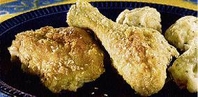
Experiment with sesame seeds and seasoned salt to flavour oven-baked chicken, an easy-to-prepare option for Sunday dinner.- MCT
Pineapple Salsa
1 cup fresh pineapple, diced
1/2 cup red sweet pepper, chopped
1/4 cup red onion, chopped
2 tbsps fresh cilantro, chopped
1 jalapeño chilli pepper, seeded and finely chopped
1 tsp lime peel, finely shredded
1/4 teaspoon salt
Method:
In a medium bowl stir together pineapple, sweet pepper, onion, cilantro, pepper, lime peel and salt. Store in an airtight container in the refrigerator for up to 24 hours.
SALT COOKING TIPS
HOW MUCH SALT?
1 tsp per quart for soups and sauces
2 tsps per pound for boneless raw meat
1 tsp per 4 cups of flour for dough
1 tsp per two cups liquid for cooked meat
1 tsp per 3 cups water for steamed vegetables
1 tbsp per 2 quarts water for pasta
1 tbsp coarse or kosher salt = 2 tsps table salt